Source cc2543rhbr wireless iot transceiver ic for Smart Home, Wearables, and Industrial Sensors
Find 30 listings for the cc2543rhbr wireless iot transceiver ic to compare specifications like memory size, GPIO count, and package types. Buyers can evaluate options from various suppliers to match requirements for Bluetooth and ISM band applications.
Key considerations
Products List








Comprehensive Sourcing Guide
CC2543RHBR Wireless IoT Transceiver IC Sourcing Guide
The CC2543RHBR is a specialized integrated circuit designed for wireless Internet of Things (IoT) applications, combining radio frequency transmission and reception capabilities with a microcontroller unit. This component is categorized as a bipolar integrated circuit with ULSI (Ultra Large Scale Integration) technology, making it suitable for compact, high-performance embedded systems. Buyers seeking this specific part number must navigate a market characterized by a mix of genuine original components and aftermarket alternatives, requiring rigorous verification to ensure supply chain integrity. The device operates within a standard temperature range of 0℃ to 70℃, indicating its suitability for general commercial and industrial environments rather than extreme outdoor conditions without additional thermal management.
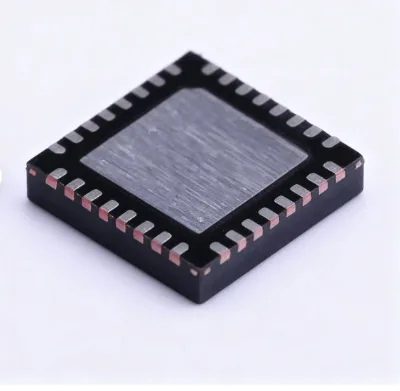
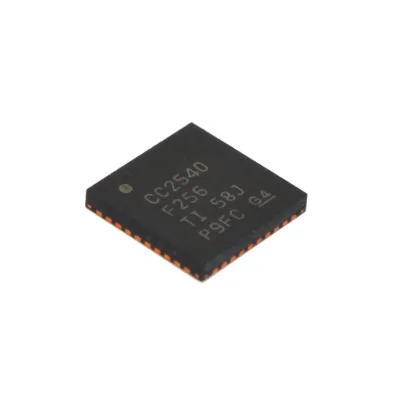
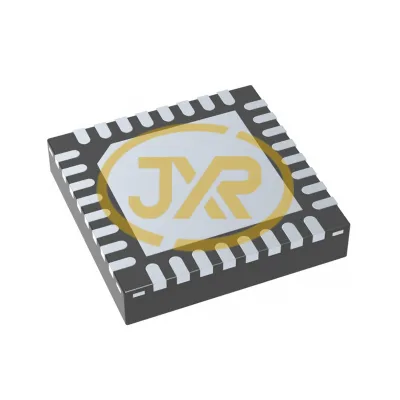
Procurement of this IC involves understanding its physical and electrical characteristics, which include a 32-VQFN package and 32 GPIOs for versatile connectivity. The integration of a 512kb Flash and 64kb RAM memory size supports complex firmware execution directly on the chip, reducing the need for external memory components in many designs. As an active product with a manufacturing date code of 23+, the component is currently in production, but buyers must be vigilant about the source. The market listing signals indicate a wide variance in pricing and minimum order quantities, reflecting the fragmented nature of the semiconductor distribution channel.
Product Scope and Observed Listing Signals
Market observations for the CC2543RHBR reveal a broad spectrum of listing attributes that buyers must critically evaluate. The product is frequently described as "Genuine New Original" or "100% Original 100% Brand," yet these claims are not uniformly verified across all suppliers. Listings often highlight a flat shape and surface mount mounting type, consistent with the 32-VQFN (5x5) package specification. However, the presence of other model numbers such as CC1125RHBR, MAX3232EUE, and SN74LVC1T45DBVR in the same search results or supplier catalogs suggests that many vendors are generalist distributors rather than specialized sources for this specific RF transceiver. Buyers should treat these broader catalogs as indicators of potential sourcing complexity rather than a guarantee of specialized expertise.
The observed price range for these components spans from $0.05 to $340, a disparity that signals significant variation in condition, authenticity, and quantity. Minimum order quantities (MOQ) vary from 1 to 500 units, catering to both prototype developers and mass production engineers. Shipping costs are typically listed as "Contact The Supplier About Freight and Estimated," implying that logistics are negotiated on a case-by-case basis. The use of packaging types such as boxes and tubes is noted, but the standard of these packages can range from original manufacturer sealing to generic repackaging. Buyers must correlate the listed price and MOQ with the supplier's ability to provide traceability documentation, as low prices with high MOQs may indicate refurbished or counterfeit stock.
Technical Specifications to Verify
When evaluating the CC2543RHBR, buyers must verify the core technical specifications against their design requirements. The device is an IC RF Txrx+MCU Bluetooth component, operating in the ISM band above 1GHz. It is crucial to confirm that the specific variant matches the 32-VQFN package and includes the necessary GPIO count for the intended interface. The memory configuration of 512kb Flash and 64kb RAM is a key differentiator for applications requiring local data storage and processing. Buyers should request detailed datasheets that explicitly confirm these parameters, as some listings may conflate this model with other similar RF chips like the CC1125, which has different performance characteristics.
Thermal and operational limits are another critical area for verification. The specified operating temperature range of 0℃ to 70℃ must be compatible with the end-product environment. If the application involves higher ambient temperatures, buyers must assess whether the component's thermal resistance in the 32-VQFN package is sufficient or if additional cooling is required. The integration level, described as ULSI, implies a high degree of on-chip functionality, which simplifies board design but requires careful firmware development. Buyers should also verify the conductive type, which is listed as bipolar, to ensure compatibility with the power supply and signal integrity requirements of the host system.
Compliance and Safety Documentation
Compliance documentation is essential for ensuring that the CC2543RHBR meets regulatory requirements in target markets. While RoHS certification is mentioned in background data, buyers must obtain specific, verifiable certificates from the supplier for each batch purchased. The absence of a specific certification status in the primary facts means that buyers cannot assume compliance based on general market trends. It is the buyer's responsibility to request test reports or declarations of conformity that explicitly cover the RoHS directive and any other relevant regional regulations, such as REACH in Europe or similar standards in other jurisdictions.
Safety and quality standards also extend to the packaging and handling of the components. The listings mention "Standard" and "Customized" packaging standards, but these terms are vague. Buyers should insist on packaging that protects the sensitive semiconductor devices from electrostatic discharge (ESD) and moisture sensitivity. For surface mount components like the CC2543RHBR, moisture sensitivity level (MSL) ratings are critical for reflow soldering processes. Buyers must verify that the supplier provides MSL information and that the components have been stored and shipped in accordance with J-STD-033 standards to prevent damage during assembly.
Cost Drivers and Commercial Terms
The cost of the CC2543RHBR is influenced by several factors, including the authenticity of the component, the quantity ordered, and the urgency of delivery. The wide price range observed in the market reflects these variables, with genuine new original parts commanding higher prices than aftermarket or surplus stock. Buyers should consider the total cost of ownership, which includes not only the unit price but also shipping, handling, and potential costs associated with quality failures. The lead time of 1-7 working days is a significant commercial term that can impact production schedules, especially for urgent prototyping needs.
Payment terms and services offered by suppliers also affect the overall procurement experience. Common payment methods include PayPal, TT, Western Union, and Trade Assurance, each offering different levels of buyer protection. Trade Assurance, in particular, can provide a layer of security by holding funds until the goods are confirmed as received and satisfactory. Buyers should also evaluate the supplier's service offerings, such as BOM (Bill of Materials) one-stop service, which can simplify procurement by consolidating multiple component orders. However, buyers must ensure that this convenience does not come at the expense of component authenticity or technical support.
Supplier Qualification and Quality Control
Supplier qualification is a critical step in mitigating the risk of receiving counterfeit or substandard components. Buyers should assess the supplier's reputation, history, and ability to provide traceability documentation for the CC2543RHBR. The presence of multiple model numbers in a supplier's catalog, such as MAX3232EUE and SN65HVD230DR, may indicate a generalist distributor rather than a specialized source. While this does not necessarily disqualify the supplier, it requires additional due diligence to ensure they have robust quality control processes for RF and MCU components. Buyers should request evidence of their sourcing channels, such as authorized distributor agreements or direct manufacturer relationships.
Quality control measures should include visual inspection, X-ray analysis, and decapsulation testing for high-value or critical applications. Buyers should establish clear acceptance criteria for the components, including checks for package integrity, pin alignment, and marking accuracy. The "Genuine New Original" claim must be supported by verifiable evidence, such as batch codes that can be traced back to the manufacturer. Suppliers offering customization services, such as custom packaging, should be evaluated for their ability to maintain component integrity during the repackaging process. Buyers should also consider the supplier's return policy and warranty terms in case of quality issues.
Long-Term Procurement Checks
Long-term procurement of the CC2543RHBR requires ongoing monitoring of supply chain stability and component availability. The product status is listed as active, but buyers should regularly verify this status with the manufacturer or authorized distributors to avoid disruptions. The manufacturing date code of 23+ indicates current production, but buyers should be aware of potential obsolescence risks as newer technologies emerge. Establishing a relationship with multiple qualified suppliers can help mitigate the risk of single-source dependency and ensure continuity of supply.
Regular audits of supplier performance and component quality are essential for maintaining product reliability. Buyers should track metrics such as defect rates, delivery times, and responsiveness to technical queries. The use of shipping services like DHL, FedEx, and UPS is common, but buyers should ensure that these services are used consistently and that tracking information is provided for all shipments. By maintaining a proactive approach to supplier management and quality control, buyers can secure a reliable supply of the CC2543RHBR for their IoT projects while minimizing risks associated with counterfeit components and supply chain disruptions.
FAQs
What is the memory size of the CC2543RHBR IC?
The CC2543RHBR IC features 512kb Flash and 64kb RAM for efficient data handling. This configuration supports complex IoT applications requiring substantial local storage for firmware and operational data without external memory.
Can I request custom packaging for this integrated circuit?
Custom packaging is available for this integrated circuit to meet specific logistical needs. Buyers can request tailored solutions while ensuring the product remains genuine and new original as per standard quality guarantees.
What is the lead time for shipping this component?
The lead time for shipping this component is typically 1 to 7 working days. This rapid turnaround allows for quick project deployment while freight costs must be confirmed directly with the supplier.
Which package type is used for the CC2543RHBR model?
The CC2543RHBR model utilizes a 32-VQFN (5x5) package for surface mount applications. This compact form factor is ideal for space-constrained designs while maintaining robust thermal and electrical performance characteristics.
What is the operating temperature range for this IC?
The operating temperature range for this IC spans from 0℃ to 70℃. This range ensures reliable performance in standard industrial environments while maintaining the integrity of the semiconductor integration and bipolar conductive type.
How many GPIO pins does the CC2543RHBR provide?
The CC2543RHBR provides 32 GPIO pins for versatile connectivity options. These pins enable extensive interfacing capabilities for various sensors and peripherals in wireless IoT transceiver applications requiring high pin density.
What is the product status of the CC2543RHBR component?
The product status of the CC2543RHBR component is active for current procurement. This ensures availability for new designs and long-term support while maintaining the 23+ manufacturing date code for freshness.